

Code Review Is a Dying Practice
For twenty years, code review has been the gold standard of engineering quality. Pull requests. Line-by-line diffs. “Nit: rename this variable.” The ritual that separates professional teams from cowboy coders. It made sense when humans wrote every line. But humans don’t write every line anymore. When agents produce the code and humans direct the architecture, staring at diffs is the wrong job. You’ve moved up the stack. Your review process hasn’t caught up.

The Most Expensive Misallocation
Your senior engineers are the most expensive, scarcest resource in the org. Many of them spend 30–60% of their week reviewing pull requests. Reading code. Suggesting renames. Catching edge cases. Enforcing style.
This made sense when humans wrote code. Review was the feedback loop — the mechanism through which teams maintained shared understanding, caught bugs, and transferred knowledge.
But when an agent writes the code, who is the review for?
The agent doesn’t learn from your PR comment. It won’t remember your style preference next time unless you codify it. It doesn’t need mentorship. It doesn’t build tribal knowledge from the review process. Every benefit that made code review valuable between humans evaporates when one side of the conversation is a machine.
You’re teaching a student that forgets everything after class.
Up the Stack
Here’s what’s actually happening: humans are moving up. From writing code to designing systems. From implementing features to defining capabilities. From code review to product review.
This is the natural progression. Every time tooling gets more powerful, humans move to a higher level of abstraction. Assembly → C → Python → frameworks → no-code → agent-written code. At each step, humans stopped caring about the lower layer and started focusing on the layer above.
Code review is a layer we’re leaving behind.
Not because quality doesn’t matter. Because quality has a new address. It lives in behavior, not syntax. In outcomes, not implementations. In system properties, not individual functions.
Review What Matters
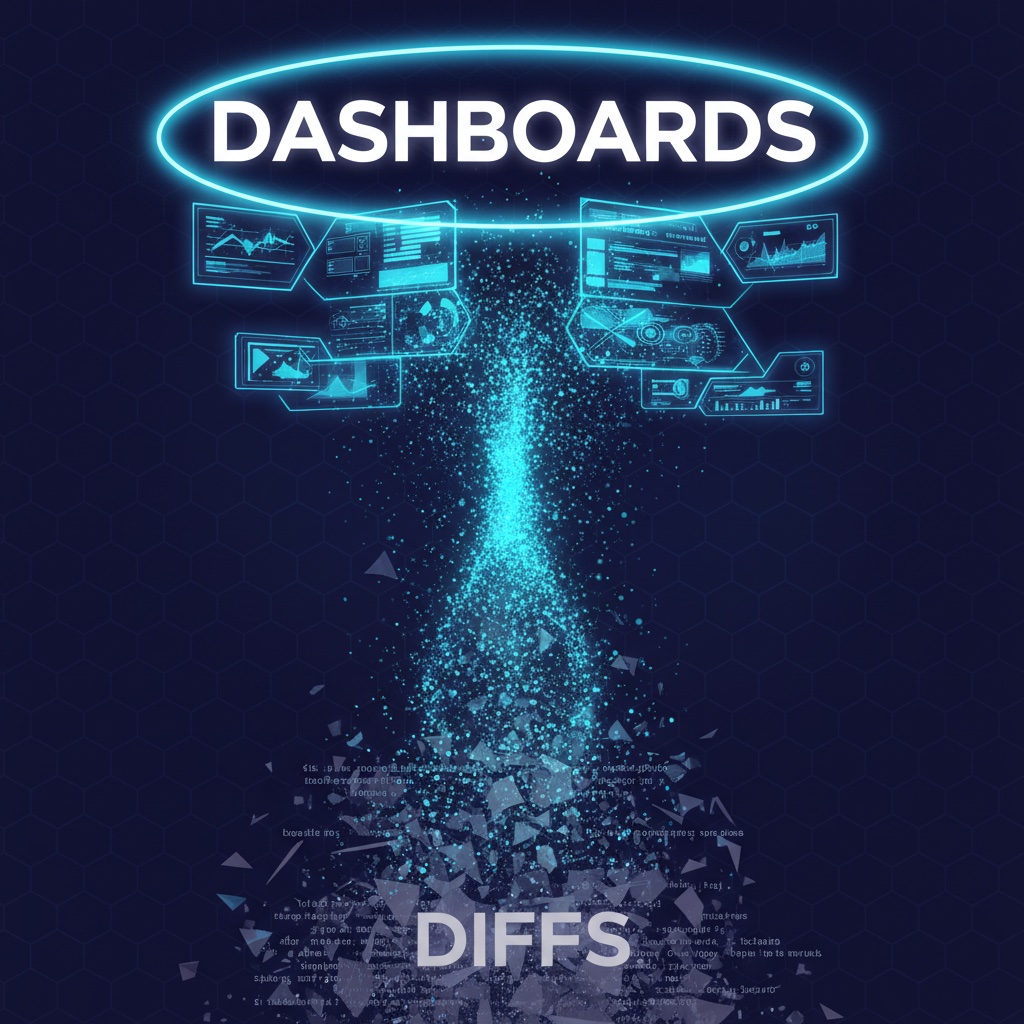
When code is agent-owned, humans review at a higher altitude. The new surfaces:
Code malleability — Can the agent modify this code easily next week? Is the codebase structured so that future changes are cheap? You don’t read the code. You measure how fast the agent can change it.
Logic pathways — Does the system do what users expect? Not “is this function correct?” but “does this workflow produce the right outcome?” You test the product, not the implementation.
Performance tracking — Response times, throughput, resource consumption. Visible without reading a single line of code. Dashboards, not diffs.
Security posture — Vulnerability scanning, dependency auditing, access pattern analysis. Automated, continuous, machine-readable. Not a human squinting at an import statement.
Discoverability — Can new agents and new humans navigate this codebase? Is it organized, documented, searchable? You review the map, not the territory.
These are the things people actually care about. Nobody ever shipped value by catching a naming violation. But a team that tracks malleability, monitors behavior, and continuously audits security? That team ships with confidence — without reading diffs.
What Product Review Looks Like
A team I worked with made this shift six months ago. Before: four senior engineers spent roughly 15 hours per week each on PR review. Sixty engineering hours weekly, pointed at line-level code.
After: agents write the code. Agents review the code — linting, tests, style enforcement, security scanning. Senior engineers review product behavior.
Their new cadence:
- Daily: Automated dashboards showing system health, performance metrics, security posture
- Per feature: Behavioral review — does the feature work as specified? Does it match the design? Does it serve users?
- Weekly: Architecture review — is the codebase still malleable? Are there emerging patterns that need attention? Is the system evolving in the right direction?
Line-by-line code review: zero hours per week.
Those 60 hours moved to capability definition, process discovery, and system design. The work that actually moves the product forward.
The Uncomfortable Middle
Not every shop is here yet. That’s real.
The tooling for agent-owned codebases is still maturing. Automated security review isn’t comprehensive enough for regulated industries. Performance tracking requires infrastructure not every team has built. And honestly — some engineers aren’t ready to let go. Code review is identity for a lot of senior devs. It’s how they stay connected to the codebase. How they maintain influence. How they prove they’re still technical.
Letting go of code review means accepting that your value isn’t in reading code. It’s in defining what the code should accomplish.
That’s a harder job. More ambiguous. Less satisfying in the “I found a bug” way. But it’s the job.
The transition isn’t instant. You don’t flip a switch and stop reviewing code tomorrow. But the direction is clear: every month, you should be reviewing less code and more product. If the ratio isn’t shifting, you’re clinging to a practice that’s losing its ROI.
Let the Agents Own the Code
The next generation of engineering leaders won’t pride themselves on thorough PR reviews. They’ll pride themselves on systems where PRs don’t need human review — because the agents, the tests, the guardrails, and the dashboards catch everything that matters.
Your job isn’t to read the code. It’s to build the system where code quality is a property of the process, not a product of human vigilance.
Review the product. Review the system. Review the outcomes. Let the agents own the code.